Write-Up Author-Damm Christoffersen
In a world where clarity often frequently overlooked, this path toward ideal vision can feel as if a uphill struggle to many. As a person that had navigated the challenges of poor vision, I found my thoughts considering different options to better my vision. Following extensive research and numerous discussions with eye care professionals, I stumbled upon the SMILE eye surgery, which it transformed the perspective regarding sight improvement entirely.
SMILE, which is an acronym for Small Incision Lenticule Extraction, represents one state-of-the-art laser vision procedure that has also gained popularity because of the non-invasive characteristics and impressive outcomes. Unlike traditional procedures like LASIK, this technique offers a unique methodology for correcting myopia, thus making this an appealing choice for individuals looking to liberate themselves of spectacles and lenses. In the write-up, myself shall reveal the personal experiences, explore its aspects of the way this surgery visual surgery operates, present the benefits as well as possible side effects, while also contrasting this method with alternative vision correction techniques. Join me as I reflect on the life-changing experience to crystal-clear vision and the brighter future.
Overview of Small Incision Lenticule Extraction Eye Surgery
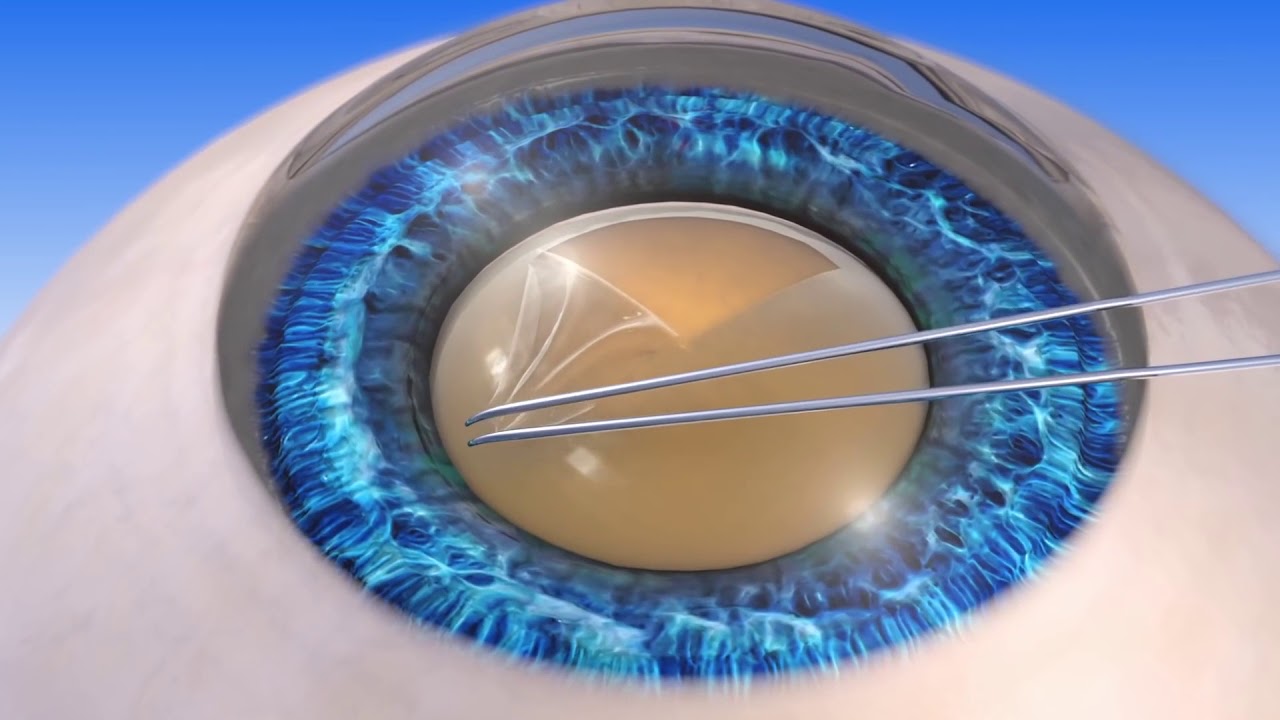
Small Incision Lenticule Extraction Eye Surgery, or SMILE, is an innovative laser procedure designed to treat myopia. This non-invasive technique alters the cornea by removing a tiny, lens-shaped tissue called a lenticule. SMILE offers a new approach to refractive surgery, providing an alternative to traditional methods such as LASIK and PRK. Its distinct methodology allows for a smaller incision, which may lead to minimal disruption of the corneal layers and faster recovery times.
What sets Small Incision Lenticule Extraction aside is its single-step process, which is performed using a femtosecond laser. During the surgery, the laser creates both the lenticule and the incision in the cornea with precision. This accuracy helps to minimize complications and promotes more stable visual outcomes. https://drive.google.com/file/d/1JE4-0AEvgqVLF6qtLK2PGWLf5-f_k7PM/view?usp=sharing report a great degree of satisfaction due to the lowered dryness and discomfort associated with other procedures. The SMILE procedure is particularly beneficial for those with moderate to high levels of nearsightedness, making it a valuable option for many individuals.
Recovery after Small Incision Lenticule Extraction Eye Surgery tends to be swift compared to traditional refractive surgeries. helpful site improved vision within a couple of days, with many returning to their daily activities quite quickly. While the specific recovery experience can vary among individuals, many report few side effects and discomfort. As with any surgical procedure, it is crucial to discuss potential risks and benefits with a qualified eye care professional. Overall, Small Incision Lenticule Extraction Eye Surgery represents a significant advancement in the field of vision correction.
Advantages and Healing
One of the most significant advantages of SMILE eye surgery is the minimal intrusiveness of the procedure. Unlike traditional LASIK, SMILE does not require the creation of a big corneal flap. Instead, a small incision is made, which helps preserve corneal integrity and reduces the chance of complications. Many patients report a quick recovery time, often seeing enhanced vision within a couple of days, allowing them to return to their normal activities swiftly.
Recovery from SMILE eye surgery is generally simple. Patients may experience short-term discomfort, such as dryness or mild sensitivity to light, but these symptoms typically diminish within a few days. Most individuals can go back to normal activities, including work and driving, within a short period. Following the post-operative care instructions provided by the surgeon is crucial for a smooth recovery and optimal results.
Another benefit of SMILE is its efficacy for treating nearsightedness, specifically myopia. Studies show that the SMILE procedure offers similar results to other options like PRK and LASIK, making it a popular choice for many. Patients can enjoy significant improvements in vision without the need for glasses or contacts, enhancing their quality of life and liberating them from the constraints of vision eyewear.
Expense Review
As evaluating SMILE laser eye surgery, one important considerations for several individuals is the price. Typically, the SMILE surgery price can vary depending on multiple aspects, like the surgeon's expertise, the tools used, and the site of the clinic. On average, patients can anticipate to spend between 2,000 to 3,500 USD per eye. It is important to check if the fee includes pre-operative assessments and post-operative follow-ups, as these can contribute to the overall price.
Financing options may be available, and many clinics have payment plans to make the procedure more accessible. Some insurance plans might pay for a portion of the costs, especially if the surgery is classified as essential for health. Understanding your insurance policies and reviewing them with your provider could ease some of the monetary strains associated with the surgery.
Investing in SMILE eye surgery can translate to long-term cost reductions on spectacles and contact lenses. A lot of patients discover that the convenience and improved quality of life after the procedure make worthwhile the initial expense. Evaluating the possible financial cost against the benefits of clearer vision without eyeglasses is crucial for individuals thinking about this surgery.
Comparative Analysis
When evaluating various options for vision improvement, it's essential to be aware of how SMILE differentiates to conventional methods including PRK. While both methods aim to address refractive errors like short-sightedness, SMILE utilizes a minimally invasive technique that maintains additional corneal area. This preservation can cause a quicker recovery and reduced pain after the procedure in contrast with PRK, which demands more extensive corneal surface alteration.
Price is often a crucial aspect in decision-making. The SMILE cost of SMILE typically is usually within the same ballpark as LASIK but can be higher than PRK. It is necessary for potential patients to consider the pros of rapid recovery and the chance of reduced side effects compared to their financial constraints. Discussion with an ophthalmologist can provide customized details on the overall expenses and what best meets needs for individual needs.
An additional crucial consideration to think about is the adverse effects associated with each technique. While SMILE is generally associated with less dry eye symptoms and less discomfort post-surgery, PRK can entail a lengthier duration of pain due to the method it uses to alter the cornea. Individual experiences may differ, thereby underlining the necessity to talk about one's medical history and lifestyle elements when comparing SMILE and PRK. Engaging in comprehensive research will help in making an informed decision for the most suitable way to achieve enhanced vision.